A few weeks ago, one of my daughters noticed that our strawberry plant was producing tiny strawberries.
“Mom, why are they so small?”
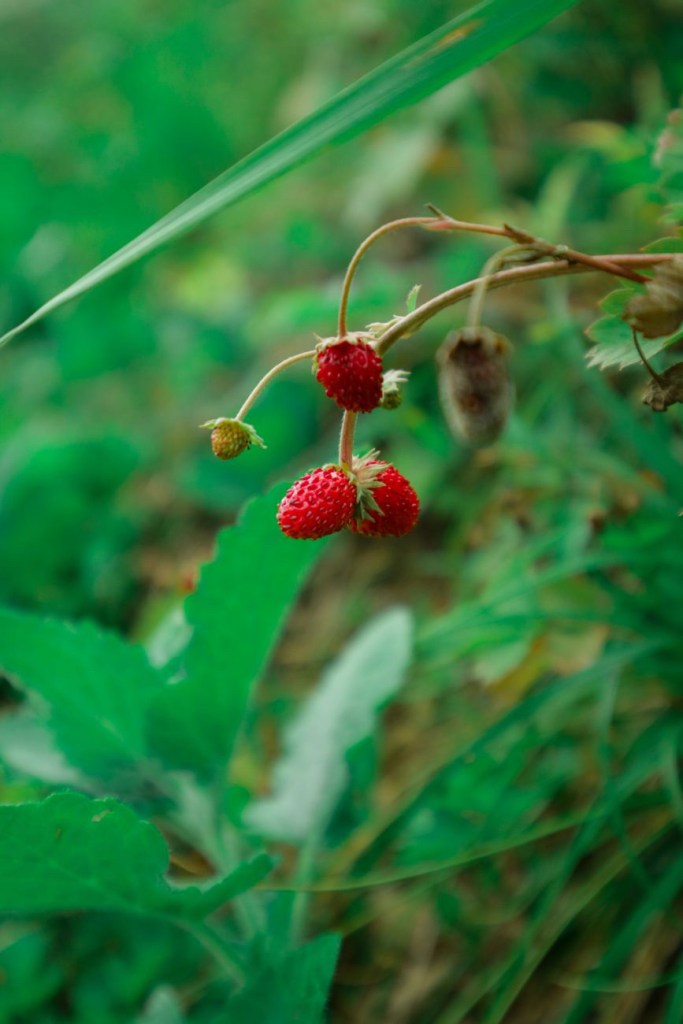
At first glance, the plant looked healthy. The leaves were green. There were plenty of flowers. New runners were stretching out in every direction. To an untrained eye, it looked like the plant was thriving.
But the problem wasn’t that the plant was unhealthy.
The problem was that the plant was trying to do too much.
Strawberry plants naturally send out runners—long stems that grow away from the main plant and try to establish new plants. While that’s great if your goal is to fill a garden bed with strawberries, it comes at a cost. Every runner requires energy. Every extra leaf requires nutrients. Every new plant requires resources.
The strawberry plant only has so much water, sunlight, and nutrients available.
When the plant spreads its energy in too many directions, it has less energy available to put into producing large, healthy fruit.
So I explained to my daughter that sometimes growth isn’t about adding more.
Sometimes growth requires removing something.
I pruned away the runners.
I removed parts of the plant that weren’t bad, unhealthy, or diseased.
In fact, they were perfectly good runners.
But they were stealing resources from the fruit.
A few weeks later, we noticed something exciting.
The strawberries were getting bigger.
The plant wasn’t working harder.
The plant wasn’t receiving more sunlight.
The plant wasn’t getting extra fertilizer.
The same resources were simply being redirected toward what mattered most.
The Parallel
As parents, we often think our families need more.
More activities.
More opportunities.
More commitments.
More experiences.
More programs.
More lessons.
More travel.
More achievements.
Yet sometimes the reason we’re producing “small fruit” isn’t because we’re lacking something.
It’s because we’re trying to do too much.
Our time, energy, attention, patience, and focus are limited resources.
When those resources are spread across dozens of commitments, everyone gets a little piece, but nothing gets our best.
The result can be relationships that feel rushed.
Devotions that feel squeezed in.
Conversations that never go deeper than surface level.
Family dinners interrupted by schedules.
Children who are busy but not necessarily growing.
Sometimes the answer isn’t adding something new.
Sometimes the answer is pruning.
What Pruning Looks Like
Pruning doesn’t always mean removing bad things.
That’s the difficult part.
Most of the runners on the strawberry plant were good things.
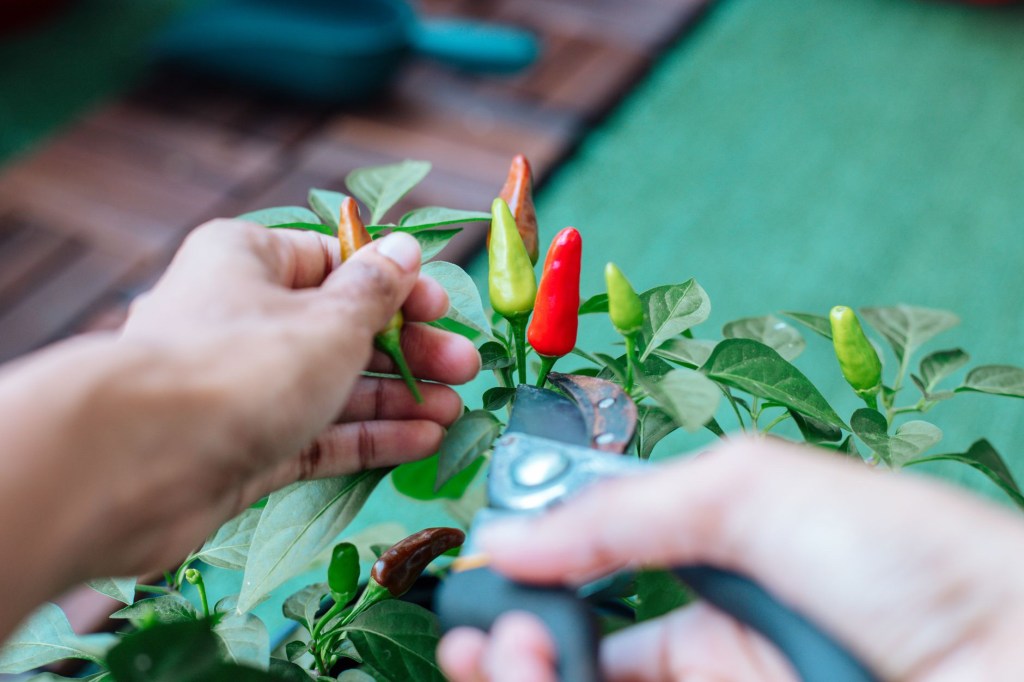
Likewise, many of the things competing for our attention aren’t sinful or harmful.
They’re just not the most important thing for this season.
Pruning might mean:
- Saying no to another activity.
- Limiting screen time.
- Protecting family dinners.
- Reducing commitments.
- Leaving margin in the calendar.
- Turning off distractions.
- Choosing depth over quantity.
The goal isn’t an empty life.
The goal is concentrated growth.
Jesus Talked About Pruning
Jesus used the same imagery when He said:
“Every branch that bears fruit He prunes, that it may bear more fruit.” (John 15:2)
Notice He didn’t say He prunes branches that aren’t growing.
He prunes the fruitful ones.
Why?
Because more growth isn’t always the goal.
Better fruit is.
God often removes things from our lives—not because they are bad, but because they are competing with something better.
The Garden Reminder
Standing in the garden, looking at those larger strawberries, I was reminded that healthy growth isn’t measured by how much we can fit into our lives.
It’s measured by the quality of the fruit being produced.
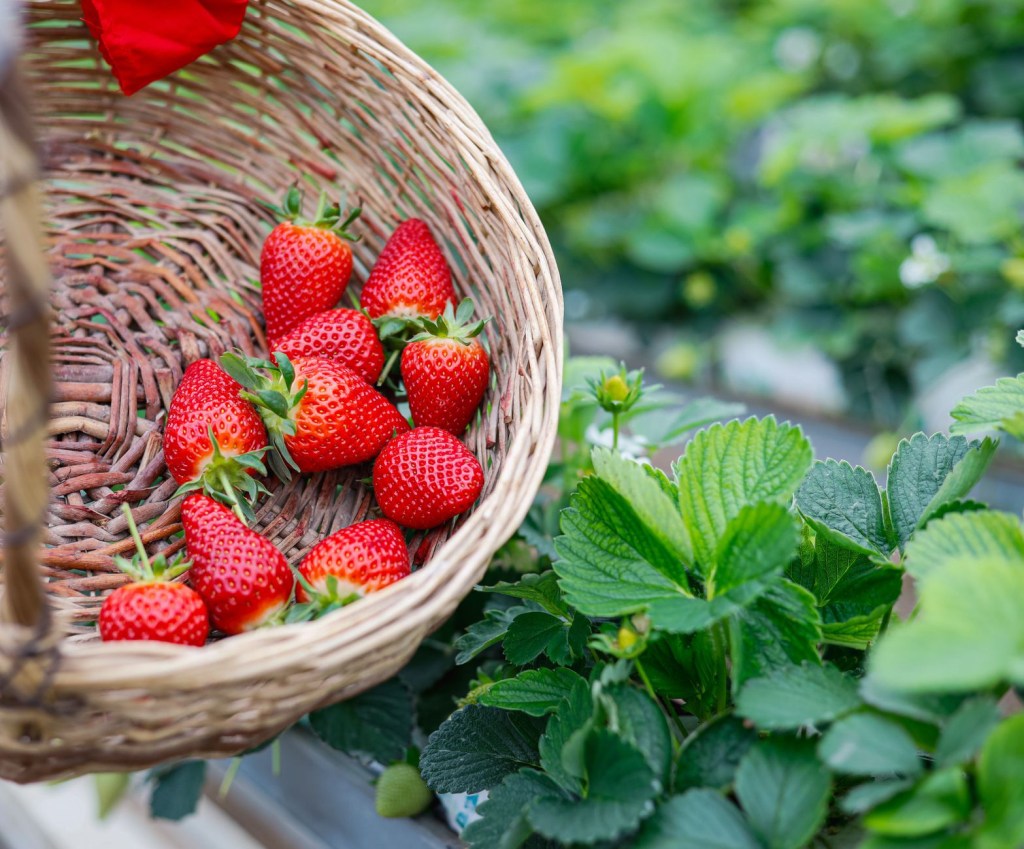
The strawberry plant taught us a simple lesson:
When you try to grow everything, you often shrink the very fruit you’re hoping to produce.
Sometimes the most productive thing you can do is prune.
Continue the Garden Series
Every plant in the garden seems to have a lesson to teach. From pulling weeds and battling caterpillars to pruning strawberries and preparing soil, each experience reveals something about faith, family, and the seasons of life.
Explore the rest of the Lessons from the Garden series and discover how ordinary moments in the garden can grow extraordinary truths in the home. 🌱
 Discovering Family Adventures
Leave a comment